
This 24-hour daily planner printable pairs military time scheduling with To Do and Notes sections for a clear, all-in-one planning page. Using 24-hour time can reduce confusion and support consistency, especially for older students and structured routines. The combination of time blocks and flexible writing space makes this planner practical without feeling cluttered. It’s a strong choice for homeschool planning, studying, work schedules, and anyone who prefers a precise daily layout.
Download Free Daily Planner (24 hr format)

Related Worksheets
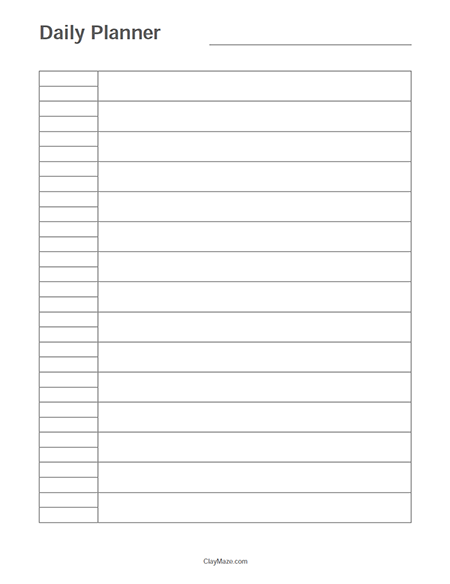
Daily Planner Freestyle (no times)
This freestyle daily planner printable removes time labels entirely, giving you complete flexibility to plan your day your way. With open sections for writing, it’s perfect for to-do lists, lesson planning, journaling, or brainstorming without the pressure of hourly scheduling.
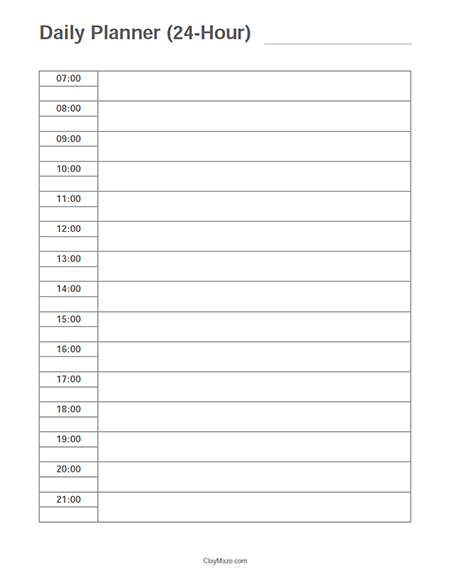
Daily Planner with Hourly Time Blocks (24 hour format)
This 24-hour daily planner printable uses military time to organize the day with clear, distraction-free hourly blocks. It’s ideal for anyone who prefers or regularly uses 24-hour time, including international users, teens, and families who want consistent time formatting. Planning
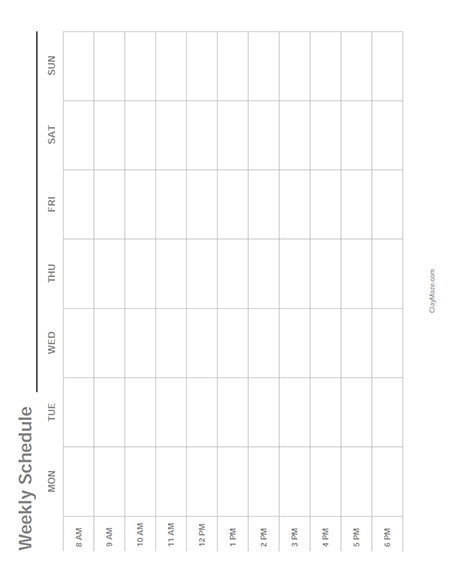
Weekly Planner – Monday-Sunday
This Monday–Sunday time-blocked weekly planner printable extends structured scheduling across the entire week, including weekends. With hourly time slots and clearly labeled days, it’s ideal for homeschoolers, families, and students who plan learning, chores, and activities beyond the traditional school
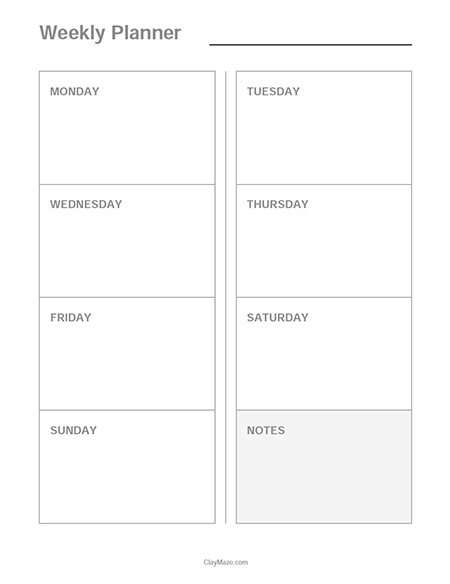
Weekly Planner – Two-Column
This two-column freestyle weekly planner printable divides the week into spacious blocks, giving you flexibility to plan by theme, subject, or priority instead of strict lists. With open areas for each day and a dedicated notes section, this layout encourages
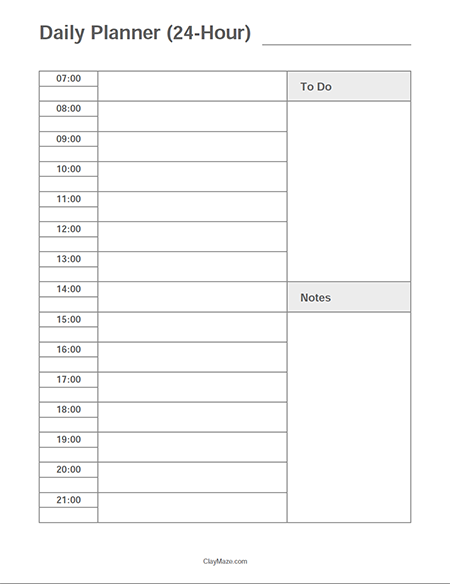
Daily Planner with To Do and Notes (24 hour format)
This 24-hour daily planner printable pairs military time scheduling with To Do and Notes sections for a clear, all-in-one planning page. Using 24-hour time can reduce confusion and support consistency, especially for older students and structured routines. The combination of
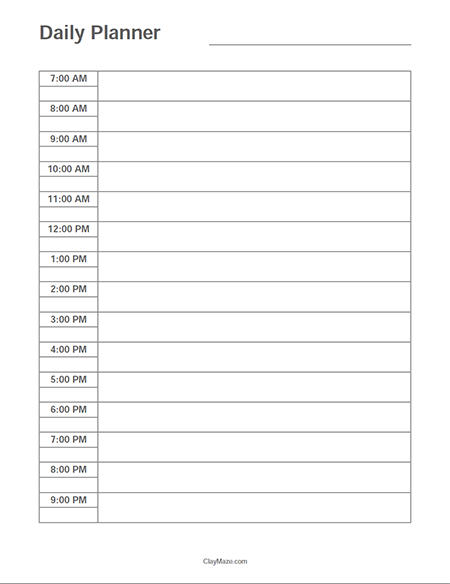
Daily Planner with Hourly Time Blocks
This daily planner printable features clearly defined hourly blocks using standard time, giving you a simple way to plan your day from morning to evening. Each hour has open writing space, making it easy to jot down tasks, lessons, or