
Working with patterns not only improves a child’s foundation for problem solving in all core learning activities, but expands the tool-set they have available when confronted with a new challenge. Just as an adult might have devised day-to-day strategies for selecting alternate routes based on traffic or the time of day, a child can use the experiences they have had with pattern recognition to learn to approach a problem from different angles when a solution doesn’t immediately present itself. This adaptive type of problem solving is critical to early learning.
This worksheet above is one of the free sample selections from our children’s educational book “The Forgotten Milestone“. Children Ages 4-10.
Download Printable PDFRelated Worksheets
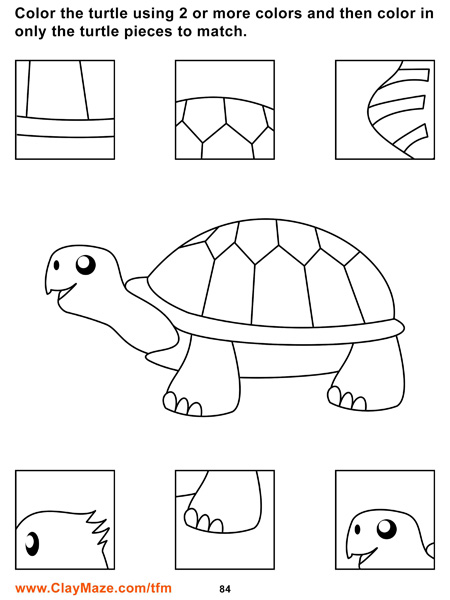
Pattern Recognition Coloring
Working with patterns not only improves a child’s foundation for problem solving in all core learning activities, but expands the tool-set they have available when confronted with a new challenge. Just as an adult might have devised day-to-day strategies for
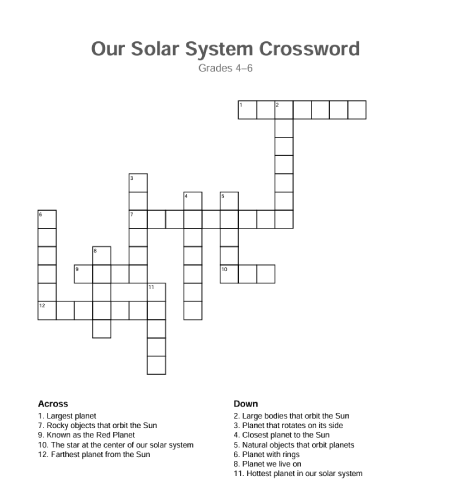
Our Solar System Crossword (Grades 4-6)
This Our Solar System crossword worksheet for Grades 4–6 helps students review key astronomy and space science vocabulary in a fun, low-pressure way. Students solve clues about the eight planets as well as related concepts like the Sun, moons, asteroids,
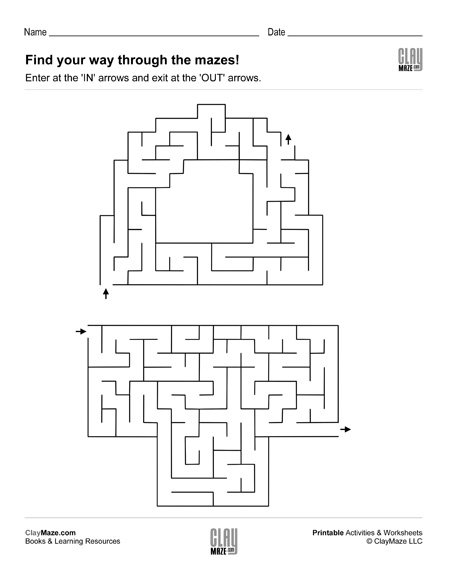
Maze Worksheet – Ice Cream Shape Maze Activity Worksheet
Download our free, printable maze activity page – Ice Cream Cone Double Maze. Mazes advance a child’s fine motor control as well as their eye hand coordination. Having to stay within the thin bounds of the maze while simultaneously scanning
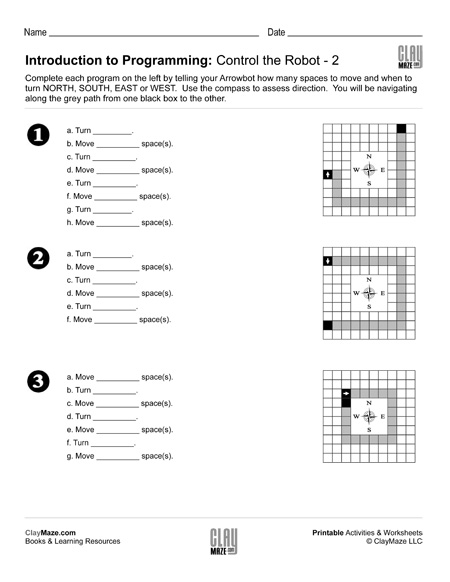
Introduction to Programming: Control the Robot – 2
This worksheet is part of a set of 4 designed to introduce younger children to the very basics of computer programming. The main series post is located here.
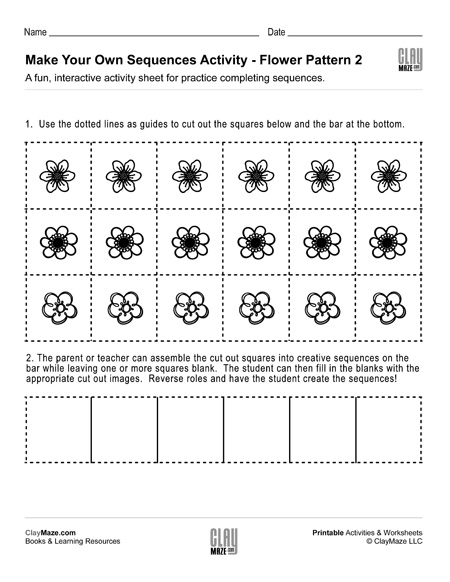
Make Your Own Sequences Activity – Flower Pattern 2
Pattern recognition and sequences play a big role in children’s learning. This particular activity is a little more interactive and allows children to not only decode and complete the missing sequences but participate in their design. The child can cut
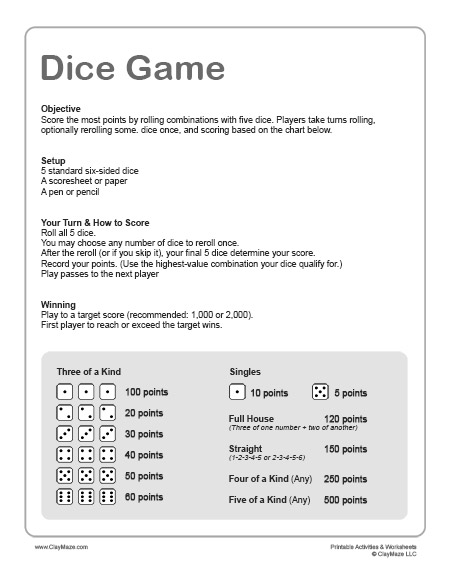
Dice Game Printable
A quick, easy game to play with kids, family, or friends This Dice Game is a fast roll‑and‑score game that’s perfect for weekends, holidays, camping trips, and summer afternoons. All you need is five dice and our free printable rules