
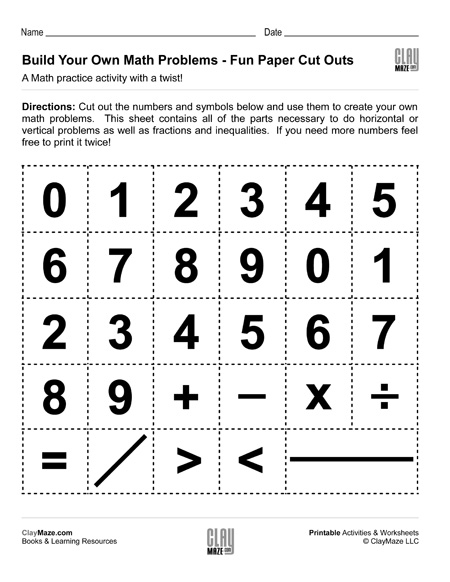
This is a great rainy day activity sheet. This math learning project is a little more interactive in that the child gets to cut out the squares necessary to build the problems and then can either assemble the problems themselves or just the answers. It’s a great break from pencils and erasers and allows for a little extra problem solving given there are a limited amount of digits available. The game can be approached in 2 ways, they can either only create problems that they know the digits are available for, or they can just print and cut extra pages for additional digits!
Download Printable PDF

Related Worksheets
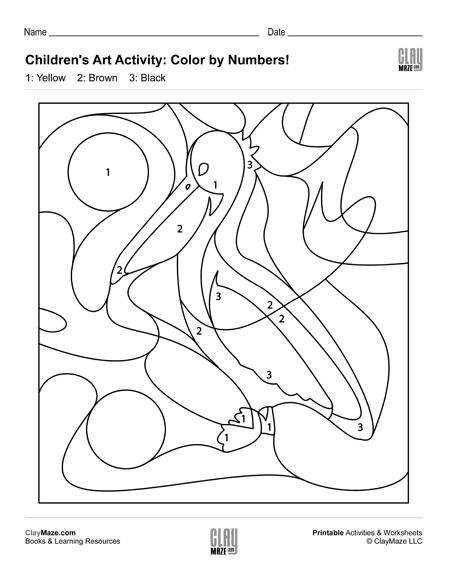
Color by Numbers (pelican)
Color by numbers free printable PDF. Reveal the picture by coloring the numbered areas with the matching color. Color by numbers are a valuable exercise, not only because they are fun, but because they teach children to finish what they
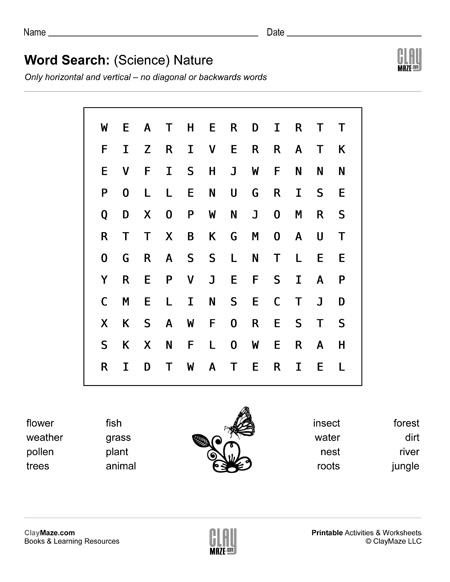
Word Search: (Science) Nature
Word search puzzle on the topic of nature – recommended for first grade. Download our printable pdf.
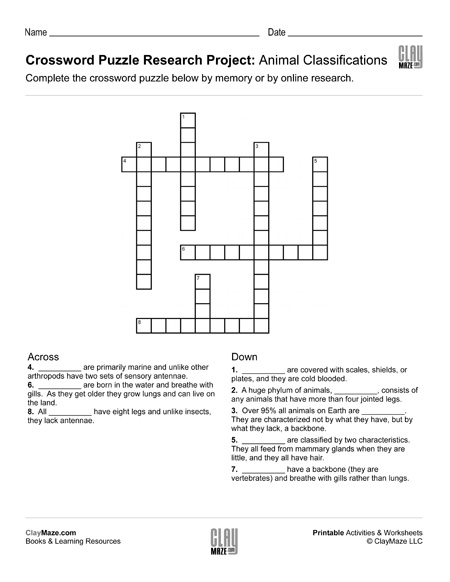
Crossword Puzzle Research Project – Animal Classifications
This crossword puzzle worksheet can be used as a stand-alone lesson or quiz for students more accustomed with Animal Classifications or used as an online research project for those with less exposure to the topic. Why Crossword Puzzles are a
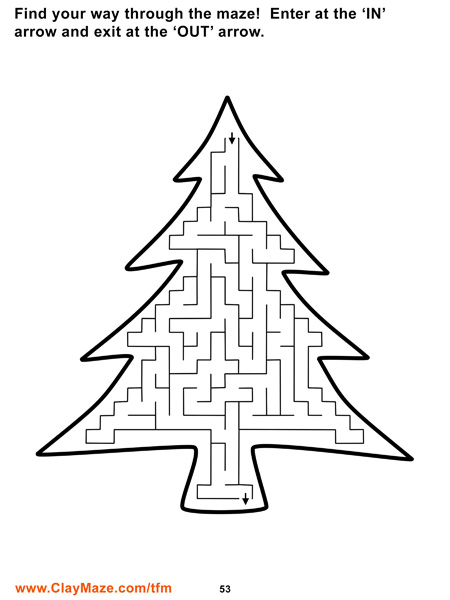
Tree Maze Worksheet
While the majority of the lessons we will be covering here are pencil (or crayon) and paper drawings or sequences, it is a really good idea to try to replicate the lessons using real-world items or other household or environmental
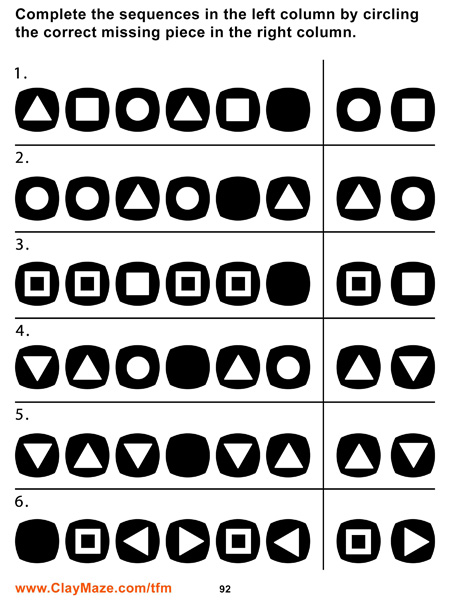
Complete the Sequences
Literally every aspect of what children learn today can benefit from a solid background in pattern recognition. While it is obvious that math, language, music and sports are all heavily based on pattern recognition, there are many other day-to-day activities
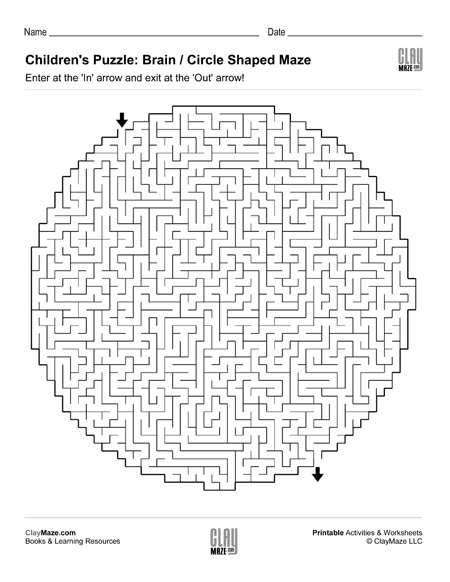
Children’s Puzzle: Brain / Circle Shaped Maze
Enjoy this brain / circle-shaped maze and remember that the second page of the PDF is the solution, so don’t peek! Holding a child’s visual attention can be a difficult thing. Their eyes and focus can drift often while learning,