
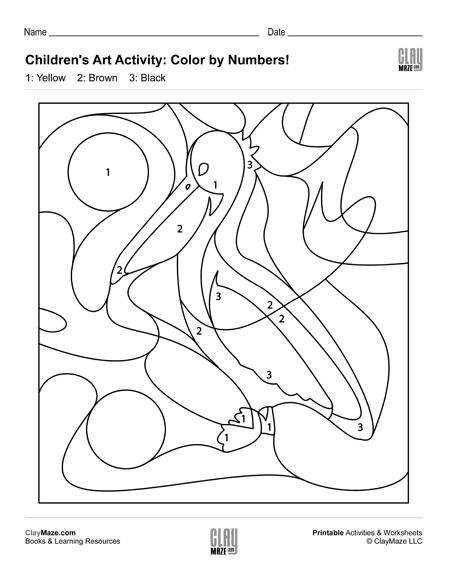
Color by numbers free printable PDF. Reveal the picture by coloring the numbered areas with the matching color. Color by numbers are a valuable exercise, not only because they are fun, but because they teach children to finish what they have started. With regular coloring pages the child really isn’t compelled to completion, they can skip from page to page and just color the areas they like.
Color-by-numbers exercises place a little more emphasis on the goal of completion and in turn the children are rewarded with a sense of accomplishment.
Download Printable PDFRelated Worksheets
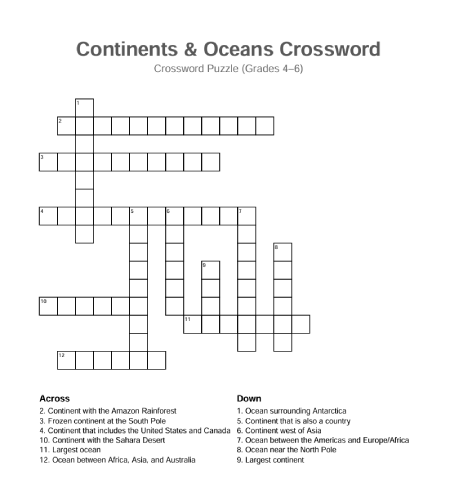
Continents & Oceans Crossword Puzzle (Grades 4–6)
Learning world geography doesn’t have to feel like memorization. This free continents and oceans crossword puzzle gives students in Grades 4–6 an engaging way to review key geography vocabulary while practicing spelling, reading clues, and making connections. This printable crossword
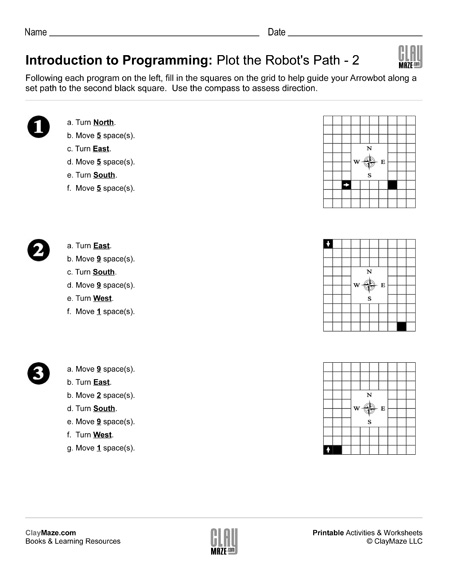
Introduction to Programming: Plot the Robot’s Path – 2
Learning to interact with computers and equipment at an early edge is critical for today’s children. They are expected to interface and adapt to computers at an earlier and earlier age and any chance we have to give them a
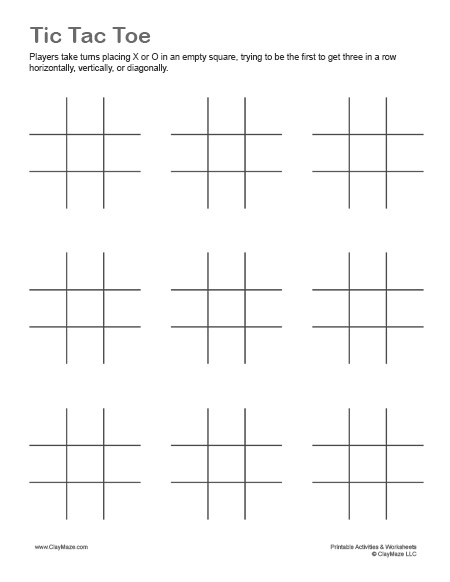
Tic Tac Toe Printable
A simple, screen‑free activity to keep kids entertained on weekends or during long summer daysThis printable tic tac toe game is perfect for road trips, backyard play, rainy afternoons, family gatherings, or quiet moments when you need an engaging activity
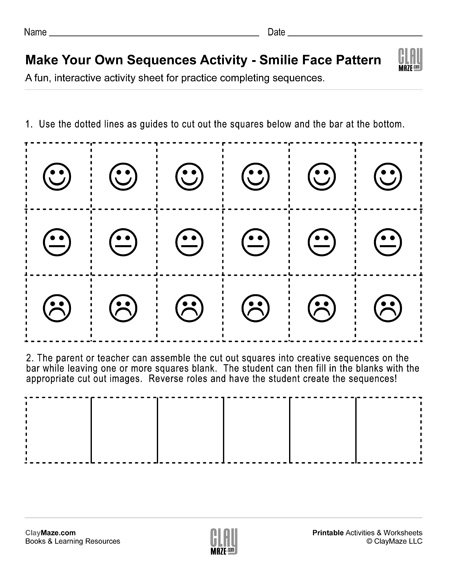
Make Your Own Sequences Activity – Smilie Face Pattern
Completing Sequences is a great way to develop pattern recognition skills in a child, but this activity adds another layer of interactivity for the student. Follow the directions on the page to have the child cut out all of the
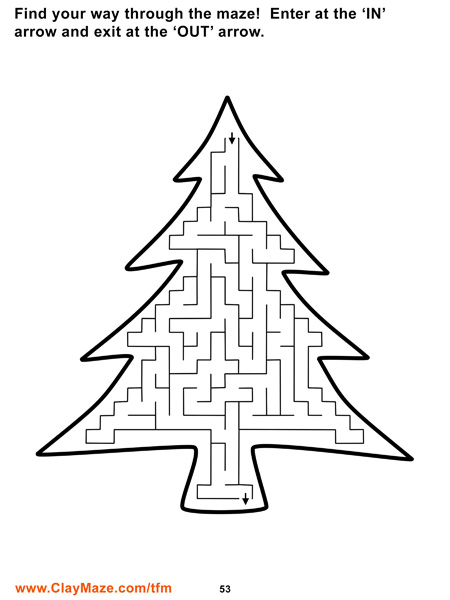
Tree Maze Worksheet
While the majority of the lessons we will be covering here are pencil (or crayon) and paper drawings or sequences, it is a really good idea to try to replicate the lessons using real-world items or other household or environmental
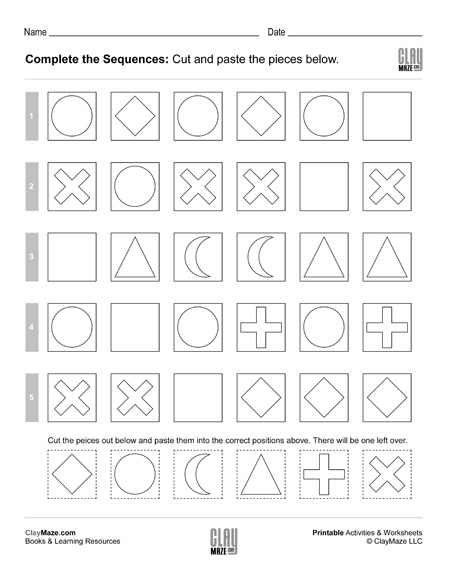
Complete the Sequences Worksheet Activity
Cut out the shapes and paste them into the correct position in the sequences.