
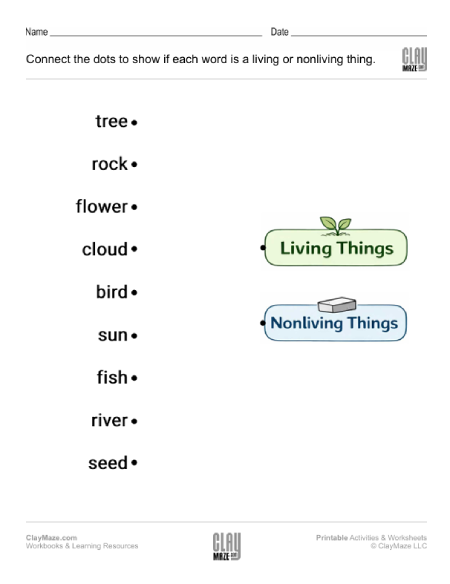
Help young learners practice early science classification skills with this Living and Nonliving Things worksheet designed for Grades 1–2. This worksheet uses clear vocabulary and a simple matching activity to help students identify whether common items are living or nonliving.
This free worksheet helps students:
- Distinguish between living and nonliving things
- Practice classifying words using the categories living and nonliving
- Build foundational life science vocabulary
- Strengthen reasoning and sorting skills
- Review an essential early elementary science concept
This Living and Nonliving Things worksheet includes a student page and a completed answer key, making it easy for teachers and parents to use for classroom instruction, independent practice, or homeschool science lessons.
Download Printable PDF
Related Worksheets

Expanded Form Worksheets – Fill‑in‑the‑Blank Hundreds Place Practice
Practice place value with these hundreds‑place expanded form worksheets, designed to help students break apart 3‑digit numbers into hundreds, tens, and ones. Each problem includes a partially completed expanded‑form equation, and learners must supply the missing value to show how
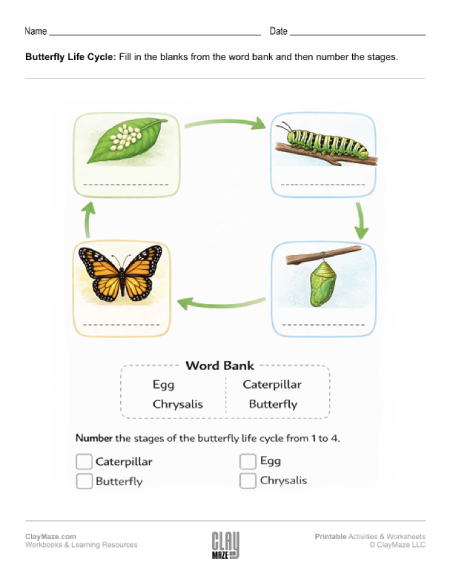
Life Cycle of a Butterfly Worksheet – Grades 1-2
Help young learners explore how butterflies grow and change with this Butterfly Life Cycle worksheet for Grades 1–2. Students identify and sequence the four stages of a butterfly’s life using a clear, visual diagram and age-appropriate vocabulary. This free worksheet
Blank, Lined Writing Practice Sheet
While we produce many different types of printable educational materials specific to math, science, reading etc., sometimes children just need some space to write or practice words and sentences on their own! Use and print our blank, lined writing pages
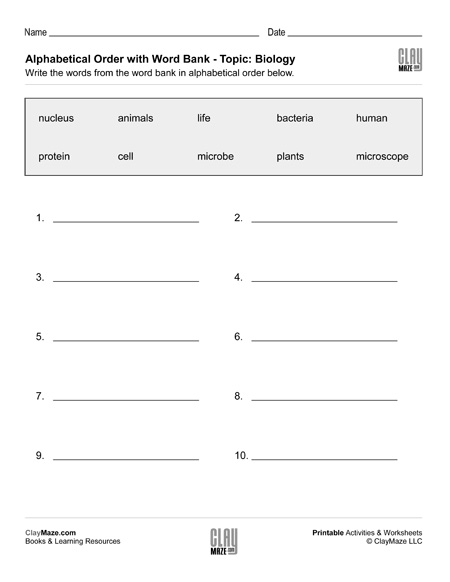
Alphabetical Order Worksheets with Word Bank
Alphabetical order practice is an essential early literacy skill, and these themed alphabetical order worksheets make it both fun and educational. Each printable worksheet includes a word bank of 10 topic‑specific vocabulary words that students must alphabetize: biology words, insects,
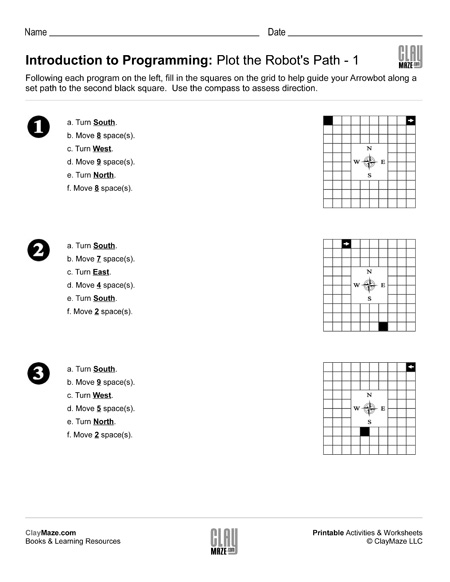
Introduction to Programming: Plot the Robot’s Path – 1
An early introduction to programming can give them the confidence they need and a great head start in STEM and computer related understanding. This worksheet is part of a series on early programming exposure located here.
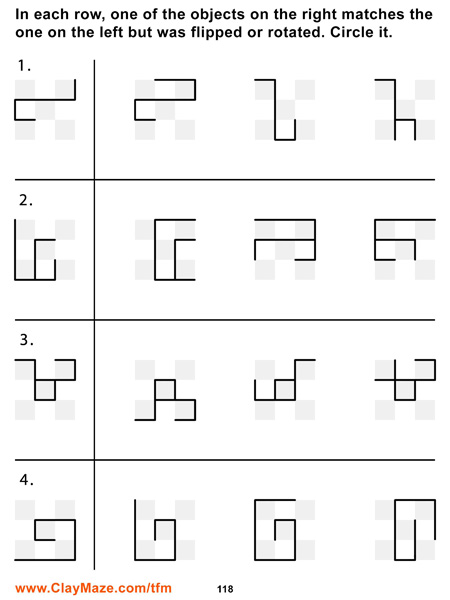
Match the Rotated Patterns
One of the reasons children get frustrated so easily when confronted with a new problem or challenge isn’t as much that it looks difficult, but because they just feel as though they don’t have a method devised to solve it.