
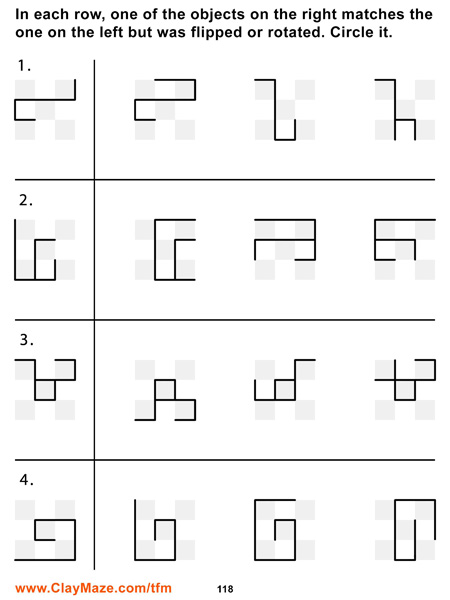
One of the reasons children get frustrated so easily when confronted with a new problem or challenge isn’t as much that it looks difficult, but because they just feel as though they don’t have a method devised to solve it. When an adult sees a new problem they have generally already put in place a system or checklist that they use to pick apart a problem that is new to them. Children have no mechanism in place for this, so if a problem looks dissimilar to ones they have seen they tend to want to shut it out. Pattern Recognition work helps to develop these problem solving systems.
This worksheet above is one of the free sample selections from our children’s educational book “The Forgotten Milestone“. Children Ages 4-10.
Download Printable PDFRelated Worksheets
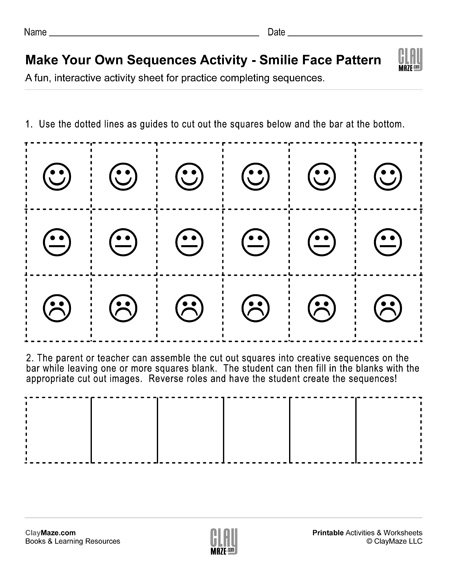
Make Your Own Sequences Activity – Smilie Face Pattern
Completing Sequences is a great way to develop pattern recognition skills in a child, but this activity adds another layer of interactivity for the student. Follow the directions on the page to have the child cut out all of the
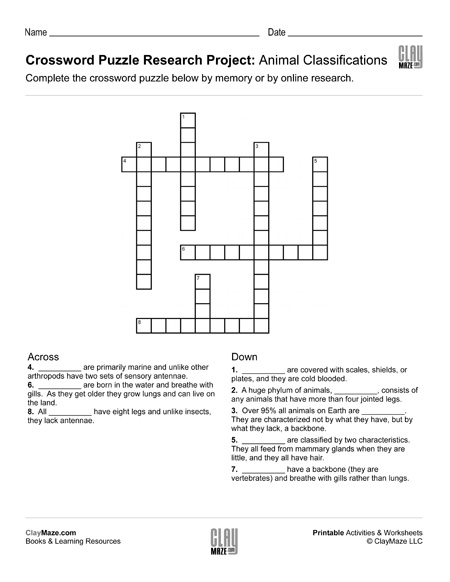
Crossword Puzzle Research Project – Animal Classifications
This crossword puzzle worksheet can be used as a stand-alone lesson or quiz for students more accustomed with Animal Classifications or used as an online research project for those with less exposure to the topic. Why Crossword Puzzles are a
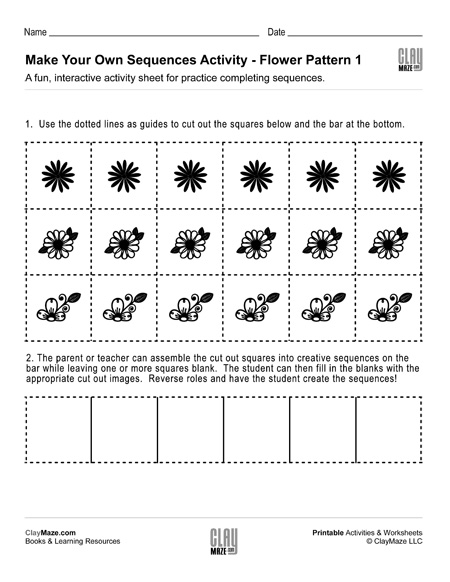
Make Your Own Sequences Activity – Flower Pattern 1
This activity is a fun twist on the basic challenge of completing sequences. The child can use the dotted lines as guides to cut out the shape squares and the bar at the bottom of the page. The parent or
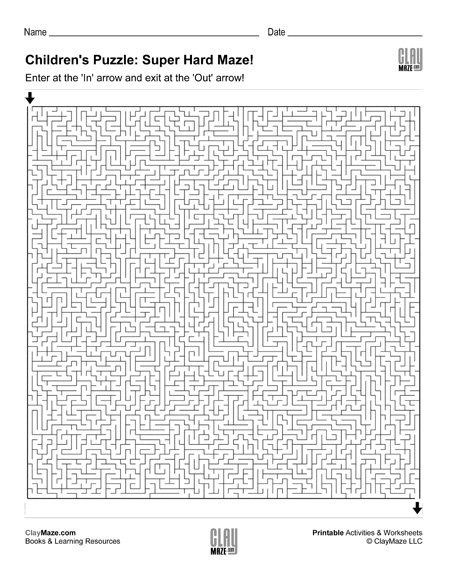
World’s Hardest Puzzle? World’s Hardest Maze?
Probably not but you better pack a lunch because this one might take you a while! Enjoy this super-hard maze and note, the second page of the PDF is the solution so try not to peek! Solving mazes is a
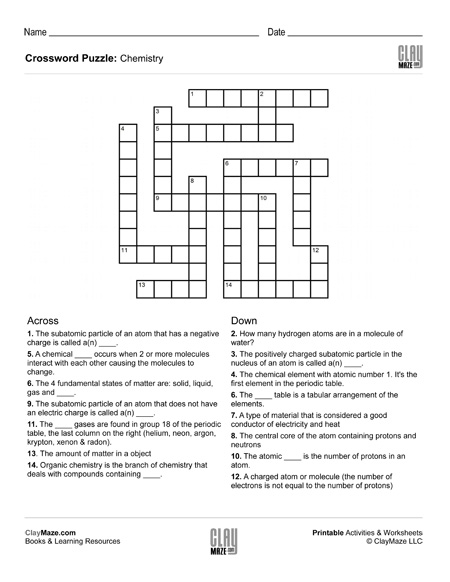
Chemistry Themed Crossword Puzzle
Test your chemistry knowledge with this crossword puzzle. Recommended for 5th grade and up. View some of our others here or check out our unique children’s puzzle book, Learning through Puzzles
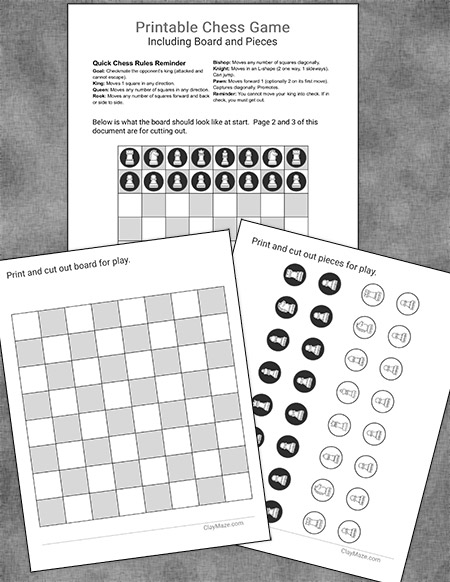
Free Printable Chess Set – Play Anywhere
Want to play chess but don’t have a board handy? This free printable chess set gives you everything you need in just a few sheets of paper. Print the chessboard, cut out the pieces, and you’re ready for a match