
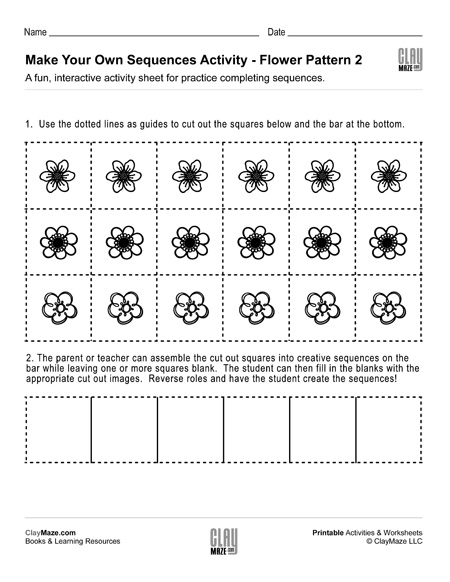
Pattern recognition and sequences play a big role in children’s learning. This particular activity is a little more interactive and allows children to not only decode and complete the missing sequences but participate in their design.
The child can cut out all of the sequence shapes and the bar at the bottom and then the parent or teacher can create sequences with one or two spaces left blank for the child to fill in on their own. Optionally the child can create their own partial sequences and have others complete them using the cut-outs!
Download Printable PDF

Related Worksheets
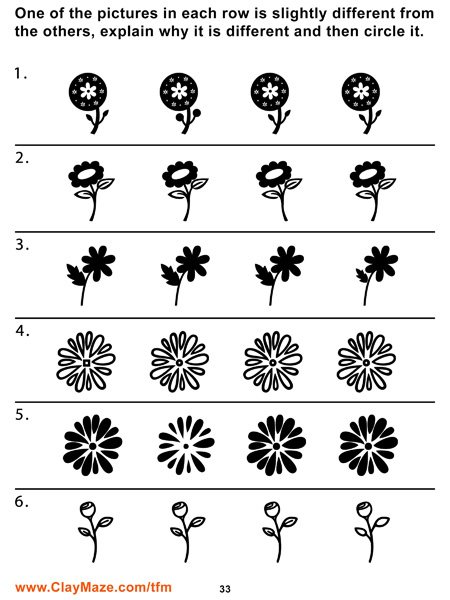
Find the Difference Printable Worksheet
An early interest in pattern recognition and problem solving is key to helping a child develop a critical love for learning, but because of the unique strengths and weaknesses of each child, some children may excel with one type of
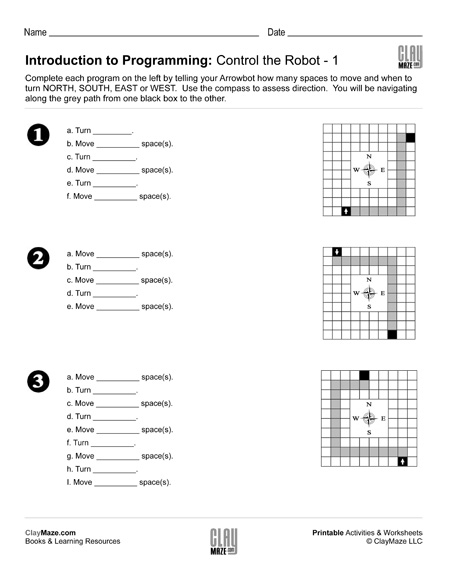
Introduction to Programming: Control the Robot – 1
STEM learning, or learning and preparation for careers in Science, Technology, Engineering and Mathematics has become a pervasive trend in today’s educational circles. With STEM occupations growing at a rate far exceeding non-stem occupations it is only logical that we
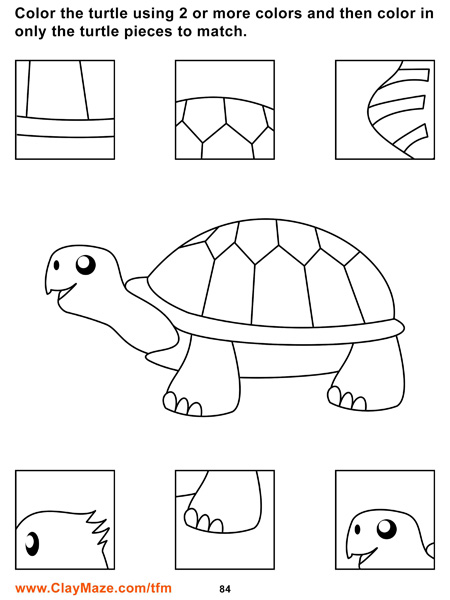
Pattern Recognition Coloring
Working with patterns not only improves a child’s foundation for problem solving in all core learning activities, but expands the tool-set they have available when confronted with a new challenge. Just as an adult might have devised day-to-day strategies for
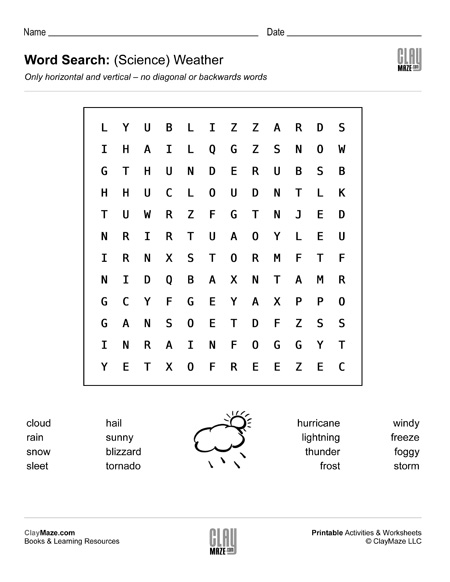
Word Search: (Science) Weather
Word search puzzle on weather topics for first grade level. Feel free to download and print the pdf.
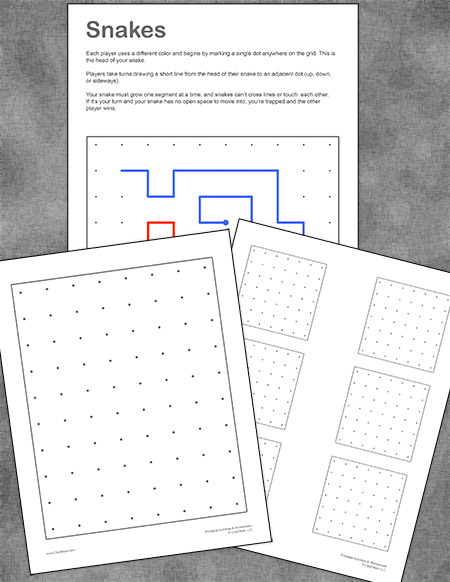
Snakes Game
Dot Paper Snakes Game PrintableIf you’re looking for a simple, screen‑free activity that kids can play anywhere, Dot‑Paper Snakes is a perfect choice. This easy pencil‑and‑paper game takes only seconds to learn, but it keeps kids thinking, planning, and laughing
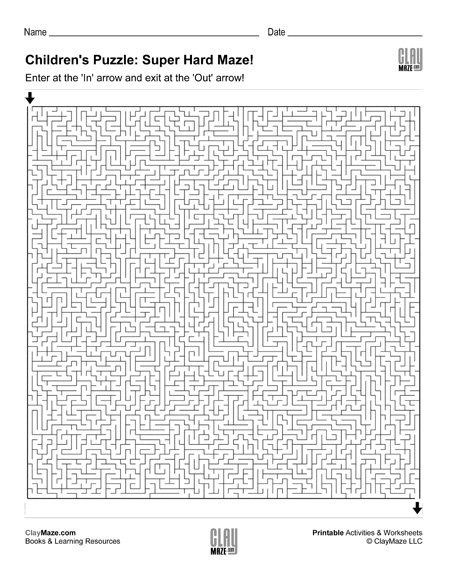
World’s Hardest Puzzle? World’s Hardest Maze?
Probably not but you better pack a lunch because this one might take you a while! Enjoy this super-hard maze and note, the second page of the PDF is the solution so try not to peek! Solving mazes is a