
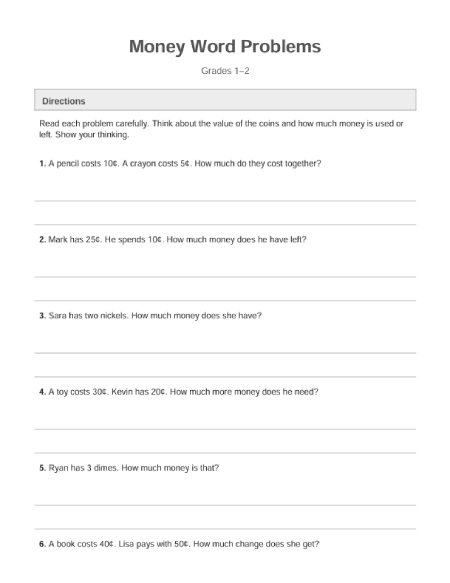
This money word problems worksheet for Grades 1–2 helps students practice using coins and understanding simple money situations they see in everyday life.
The problems focus on identifying the value of pennies, nickels, and dimes, adding and subtracting money amounts, and figuring out whether there is enough money to buy an item. Students are encouraged to think through each situation and show their work, not just give an answer.
This printable is a great fit for:
- early elementary money lessons
- homeschool math practice
- reinforcing coin values and money word problems
- classroom review or independent work
The worksheet includes 10 money word problems, space for students to show their thinking, and a complete answer key. The simple, ink-friendly layout makes it easy to print and use.
Download Printable PDF

Related Worksheets
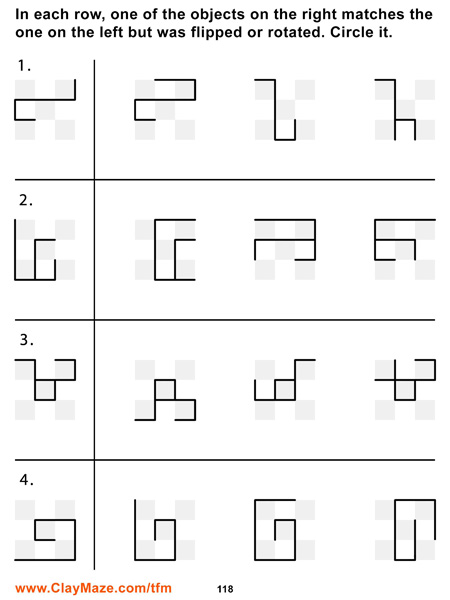
Match the Rotated Patterns
One of the reasons children get frustrated so easily when confronted with a new problem or challenge isn’t as much that it looks difficult, but because they just feel as though they don’t have a method devised to solve it.
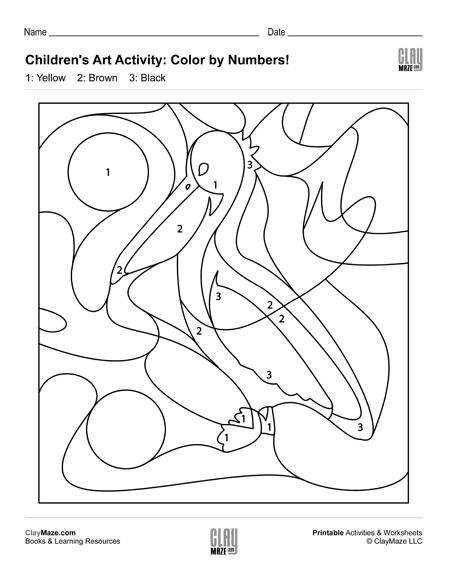
Color by Numbers (pelican)
Color by numbers free printable PDF. Reveal the picture by coloring the numbered areas with the matching color. Color by numbers are a valuable exercise, not only because they are fun, but because they teach children to finish what they
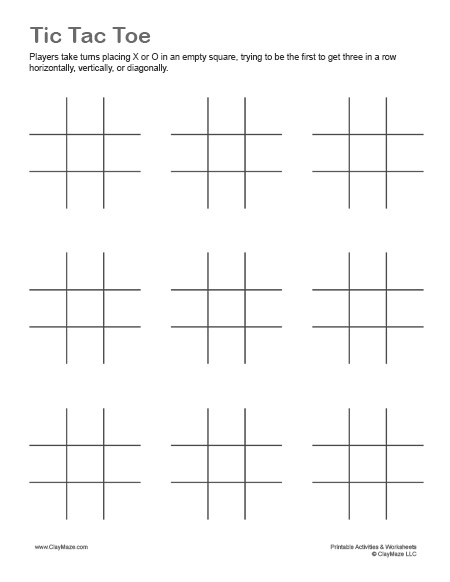
Tic Tac Toe Printable
A simple, screen‑free activity to keep kids entertained on weekends or during long summer daysThis printable tic tac toe game is perfect for road trips, backyard play, rainy afternoons, family gatherings, or quiet moments when you need an engaging activity
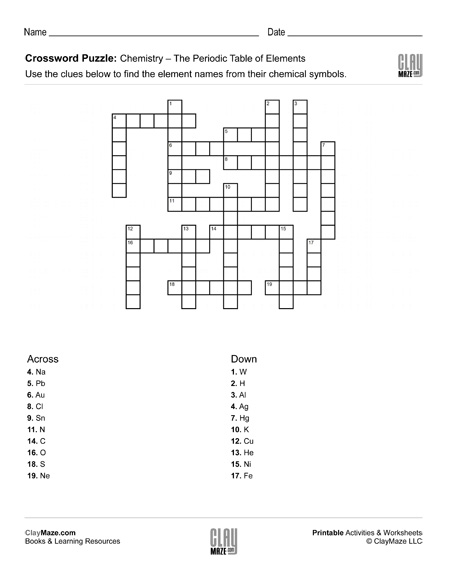
Crossword Puzzle (Chemistry) – The Periodic Table
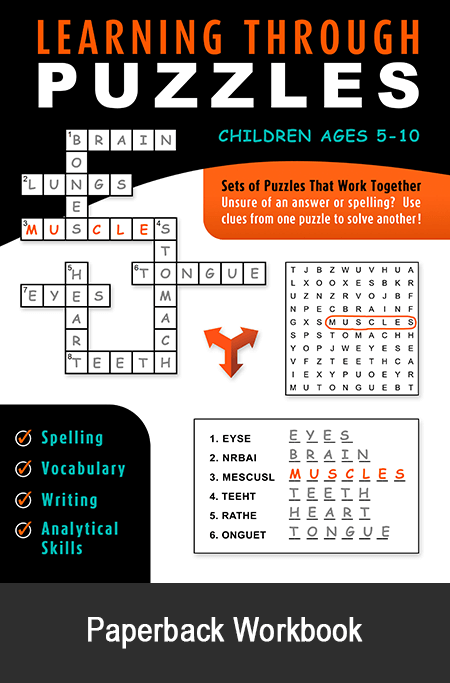
Can you recognize elements by their chemical symbol? Test your skills with this crossword puzzle. View some of our others here or check out our unique children’s puzzle book, Learning through Puzzles
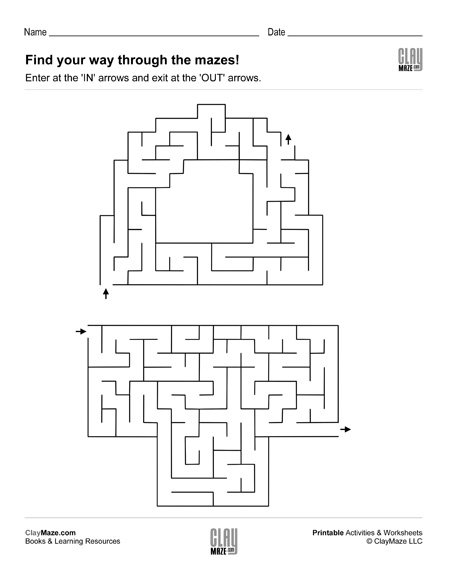
Maze Worksheet – Ice Cream Shape Maze Activity Worksheet
Download our free, printable maze activity page – Ice Cream Cone Double Maze. Mazes advance a child’s fine motor control as well as their eye hand coordination. Having to stay within the thin bounds of the maze while simultaneously scanning
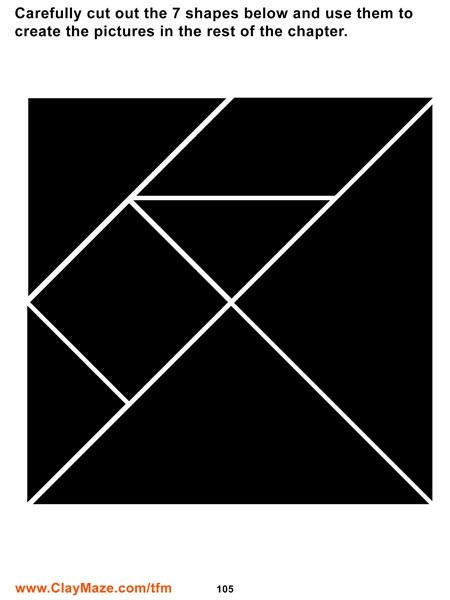
Printable Reusable Tangram Puzzle
The worksheet below is one of the sample selections from our children’s educational book “The Forgotten Milestone“. Children Ages 4-10. Assembling patterns, animal and human forms from Tangrams is a great way to exercise your pattern recognition skill. There is