
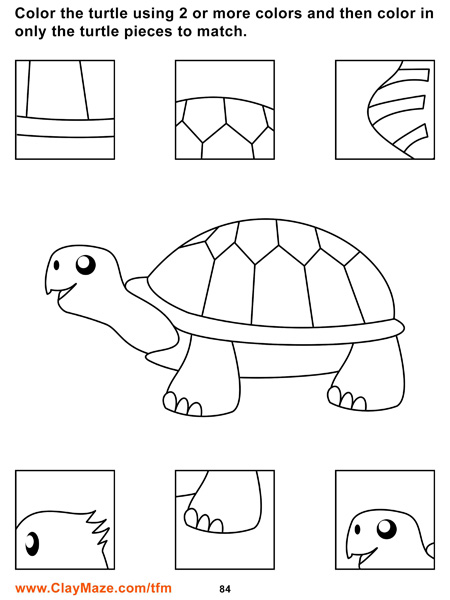
Working with patterns not only improves a child’s foundation for problem solving in all core learning activities, but expands the tool-set they have available when confronted with a new challenge. Just as an adult might have devised day-to-day strategies for selecting alternate routes based on traffic or the time of day, a child can use the experiences they have had with pattern recognition to learn to approach a problem from different angles when a solution doesn’t immediately present itself. This adaptive type of problem solving is critical to early learning.
This worksheet above is one of the free sample selections from our children’s educational book “The Forgotten Milestone“. Children Ages 4-10.
Download Printable PDFRelated Worksheets
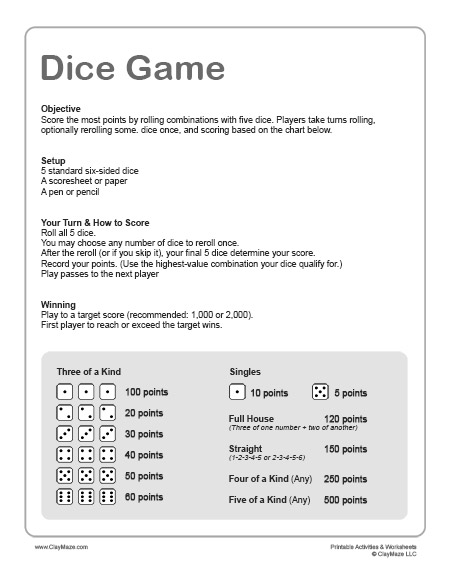
Dice Game Printable
A quick, easy game to play with kids, family, or friends This Dice Game is a fast roll‑and‑score game that’s perfect for weekends, holidays, camping trips, and summer afternoons. All you need is five dice and our free printable rules
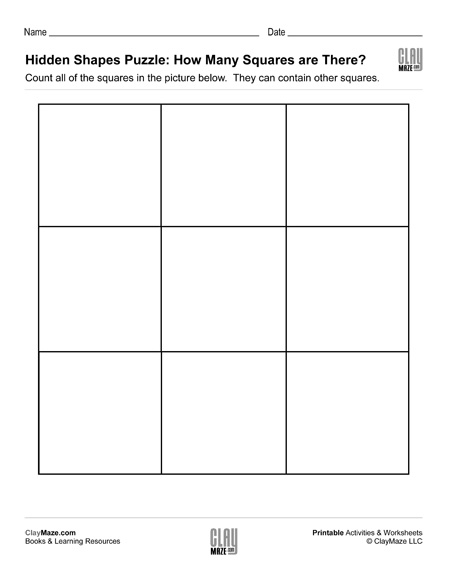
Count All of the Squares Puzzles
Hidden Shapes Puzzle. Count all of the squares you can find. Download and print this worksheet as many times as you like.
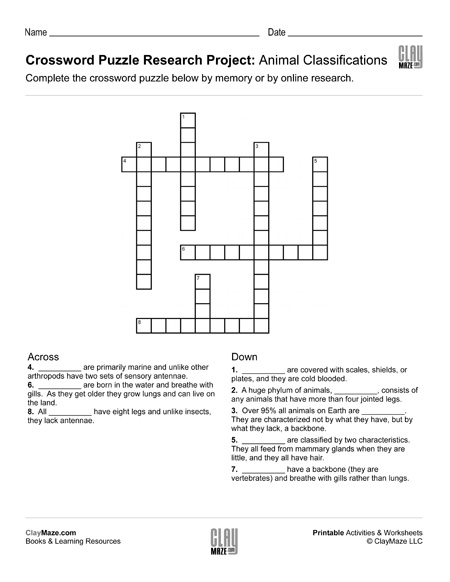
Crossword Puzzle Research Project – Animal Classifications
This crossword puzzle worksheet can be used as a stand-alone lesson or quiz for students more accustomed with Animal Classifications or used as an online research project for those with less exposure to the topic. Why Crossword Puzzles are a
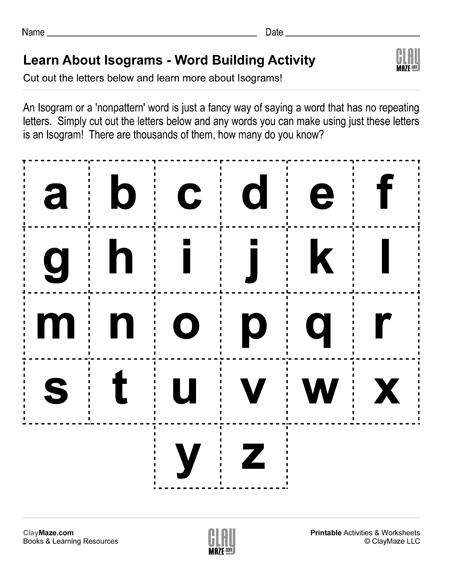
Learn About Isograms – Word Building Activity
An Isogram, otherwise known as a “nonpattern word”, is just a fancy way of referring to a word or phrase that has no repeating letters. This particular activity not only introduces the child to Isograms but includes a little general
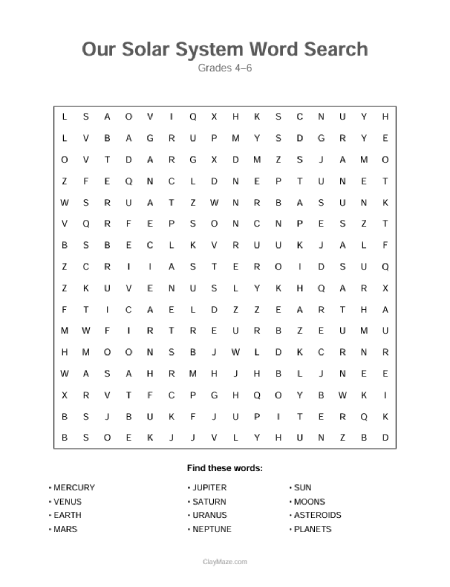
Our Solar System Word Search (Grades 4-6)
This Solar System word search worksheet for Grades 4–6 gives students a fun way to review key space science vocabulary while building focus and spelling skills (includes solutions). Students search for important solar system terms, including the eight planets as
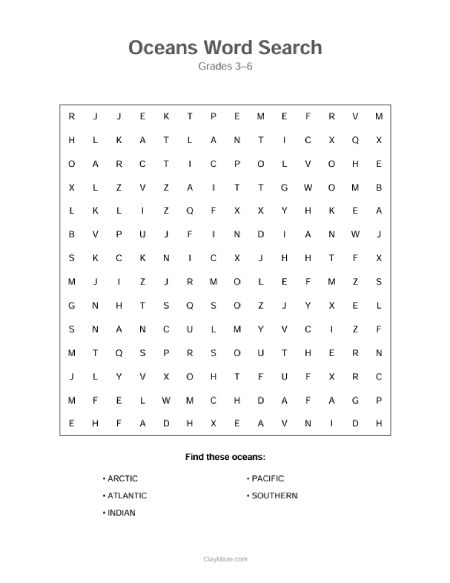
5 Oceans Word Search (Grades 3-6)
This printable word search helps students learn and remember the names of the five major oceans while building spelling and geography skills. It’s a fun, low‑prep activity for classrooms, early finishers, morning work, or at‑home practice. The puzzle includes all