
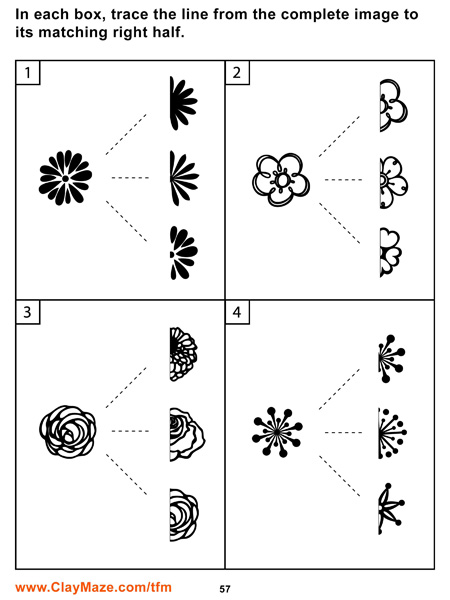
Whether our children are facing a career in accounting, medicine, science or art, they will be faced with a tremendous amount of data – an amount of data that could never have been predicted when our educational curriculum were developed years ago. Your child will face a future where making good business decisions or predicting trends in their industry will require working with data on a level that would be awe inspiring by even today’s standards. The data analysis of tomorrow will be like peeling an onion. Just finding the right data to analyze could be as challenging as the data analysis itself. A solid background in pattern recognition will be a must for the data-driven world that lies ahead.
This worksheet above is one of the free sample selections from our children’s educational book “The Forgotten Milestone“. Children Ages 4-10.
Download Printable PDFRelated Worksheets
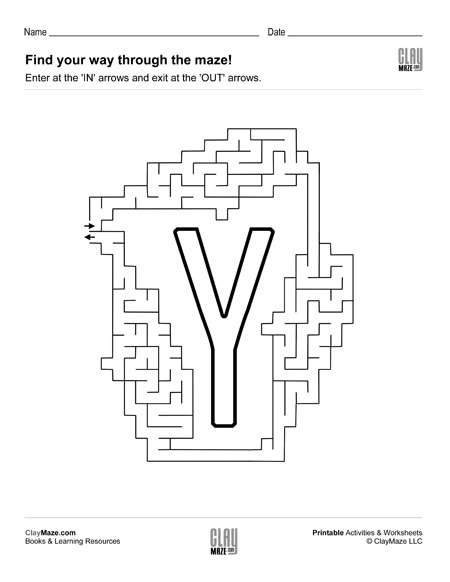
Alphabet Maze Worksheet – The Letter Y
Y is the letter of the day! Download our free, printable alphabet maze activity sheets. Mazes are not only fun for children but help to develop executive functioning processes. These decision-making processes include organizing, planning, time management skills, memory and
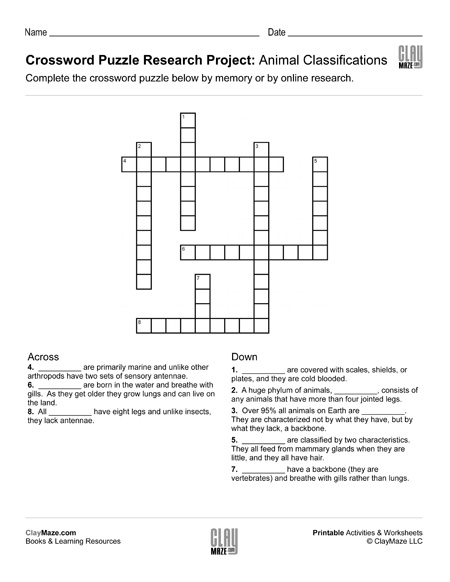
Crossword Puzzle Research Project – Animal Classifications
This crossword puzzle worksheet can be used as a stand-alone lesson or quiz for students more accustomed with Animal Classifications or used as an online research project for those with less exposure to the topic. Why Crossword Puzzles are a
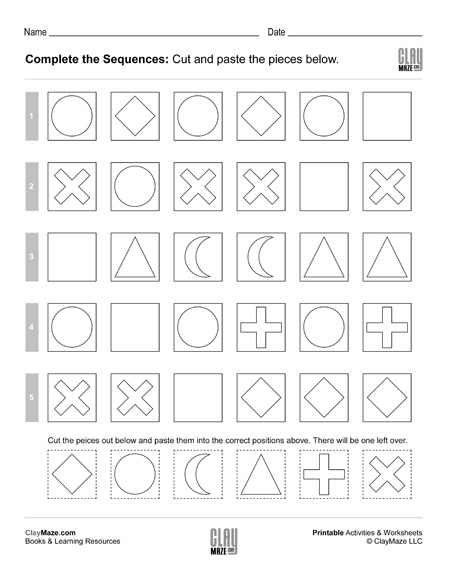
Complete the Sequences Worksheet Activity
Cut out the shapes and paste them into the correct position in the sequences.
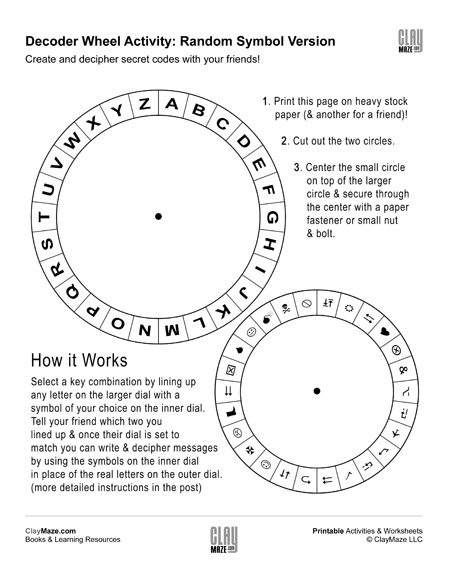
Spy Decoder Wheel – Random Symbol Version
This template is the Symbol Version of our Alphabet Decoder Wheel. There are three decoder wheels in all allowing for the coding and deciphering of secret messages using random alphabet letters, symbols or even your very own code! See the
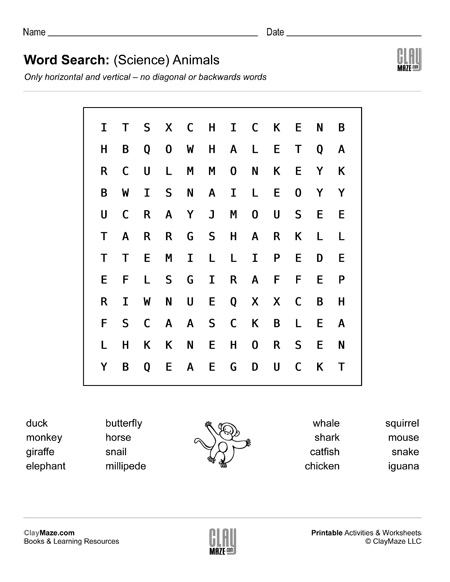
Word Search: (Science) Animals
Download our word search puzzle worksheet on animals. This one is recommended for around first grade level.
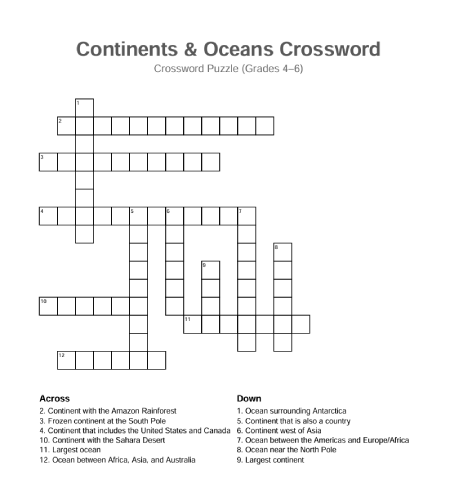
Continents & Oceans Crossword Puzzle (Grades 4–6)
Learning world geography doesn’t have to feel like memorization. This free continents and oceans crossword puzzle gives students in Grades 4–6 an engaging way to review key geography vocabulary while practicing spelling, reading clues, and making connections. This printable crossword