
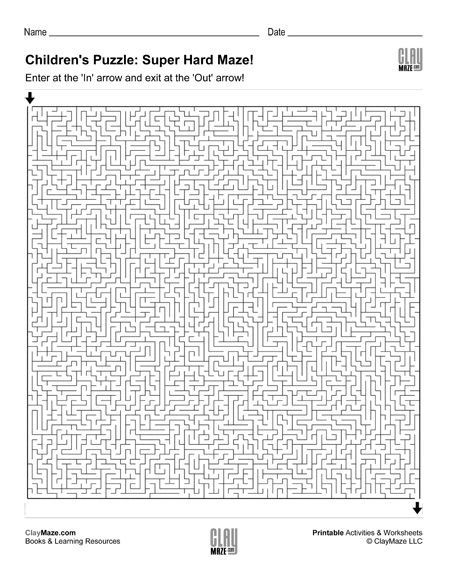
Probably not but you better pack a lunch because this one might take you a while! Enjoy this super-hard maze and note, the second page of the PDF is the solution so try not to peek!
Solving mazes is a great addition to a child’s extracurricular learning activities. Aside from the obvious benefits of problem solving and fine motor control, mazes require a child to visually scan ahead while keeping their place. This type of scanning is used in both reading and writing and can benefit greatly from a little extra practice.
Download Printable PDFRelated Worksheets
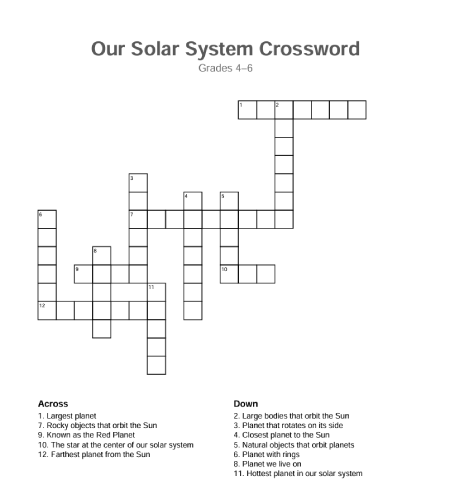
Our Solar System Crossword (Grades 4-6)
This Our Solar System crossword worksheet for Grades 4–6 helps students review key astronomy and space science vocabulary in a fun, low-pressure way. Students solve clues about the eight planets as well as related concepts like the Sun, moons, asteroids,
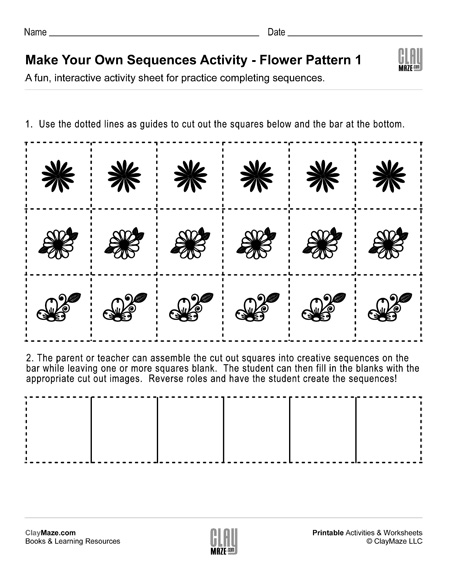
Make Your Own Sequences Activity – Flower Pattern 1
This activity is a fun twist on the basic challenge of completing sequences. The child can use the dotted lines as guides to cut out the shape squares and the bar at the bottom of the page. The parent or

Continents Word Search (Grades 3-6)
This free continents word search worksheet helps students practice world geography vocabulary in a fun and approachable way. Students search for the names of all seven continents hidden horizontally and vertically within the puzzle, building spelling skills and visual attention
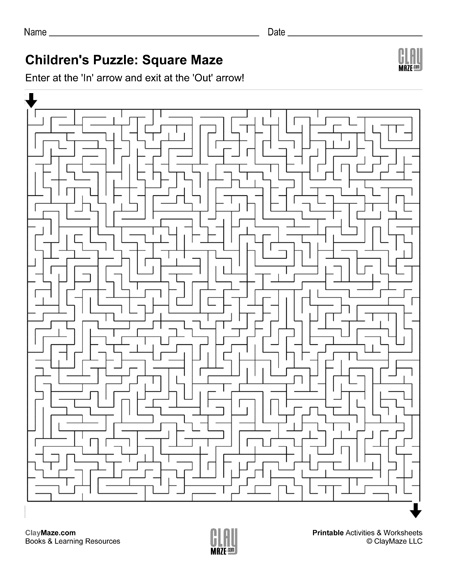
Children’s Puzzle: Square Maze
Feel free to download this and the other free printable mazes and puzzles located on our site and please note, the second page of the PDF is the solution so remember not to peek!
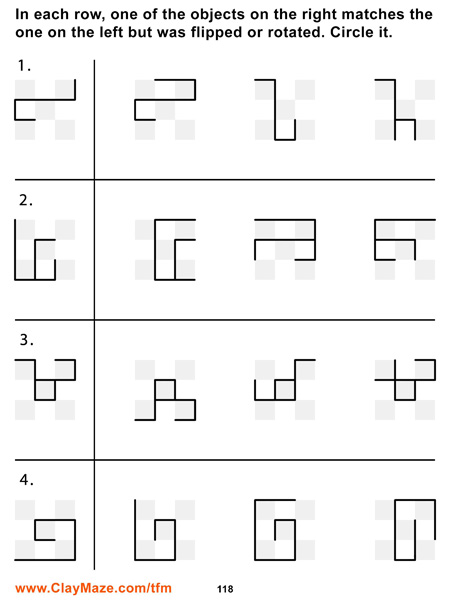
Match the Rotated Patterns
One of the reasons children get frustrated so easily when confronted with a new problem or challenge isn’t as much that it looks difficult, but because they just feel as though they don’t have a method devised to solve it.
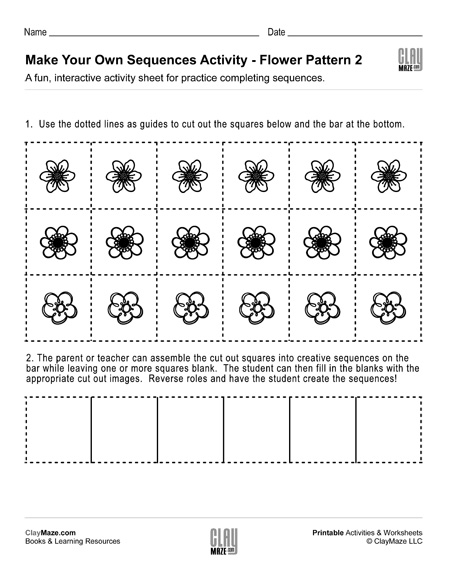
Make Your Own Sequences Activity – Flower Pattern 2
Pattern recognition and sequences play a big role in children’s learning. This particular activity is a little more interactive and allows children to not only decode and complete the missing sequences but participate in their design. The child can cut