
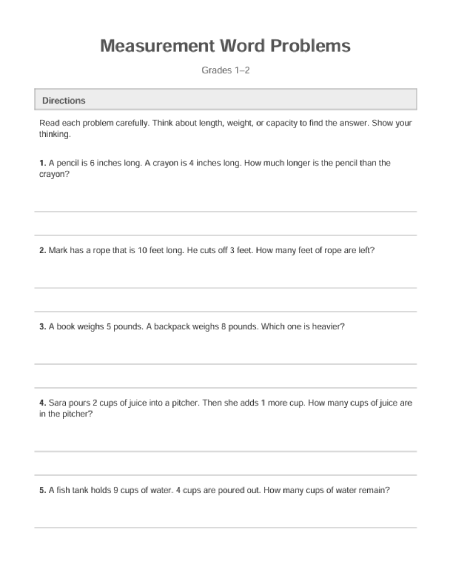
This measurement word problems worksheet for Grades 1–2 gives students practice applying math skills to real-life situations involving length, weight, and capacity.
The problems encourage students to think about everyday measurements—how long something is, how heavy it is, or how much it can hold—while using simple addition, subtraction, and comparison. The focus is on understanding the situation first, not just plugging in numbers.
This printable works well for:
- early elementary measurement lessons
- homeschool math practice
- reinforcing measurement word problems
- classroom review or independent work
The worksheet includes 10 word problems, space to show work, and a complete answer key. The clean, ink-friendly layout makes it easy to print and use with students who are just beginning to work with measurement concepts.
Download Printable PDF

Related Worksheets
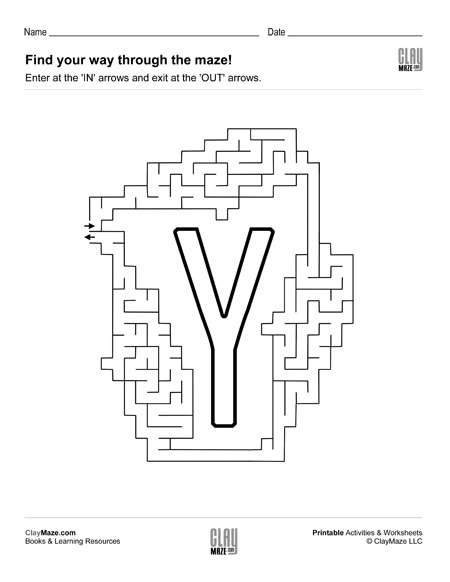
Alphabet Maze Worksheet – The Letter Y
Y is the letter of the day! Download our free, printable alphabet maze activity sheets. Mazes are not only fun for children but help to develop executive functioning processes. These decision-making processes include organizing, planning, time management skills, memory and
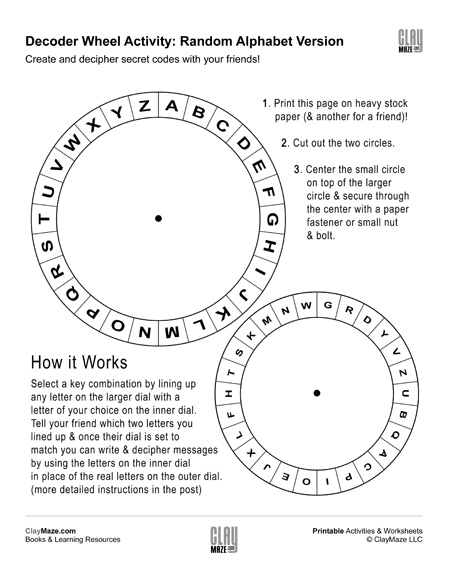
Spy Decoder Wheel – Random Alphabet Version
How the Decoder Works Once you’ve used the instructions on the PDF Download to assemble your decoder you can either share that decoder with a friend or have them make an identical one. To use it, simply line up a
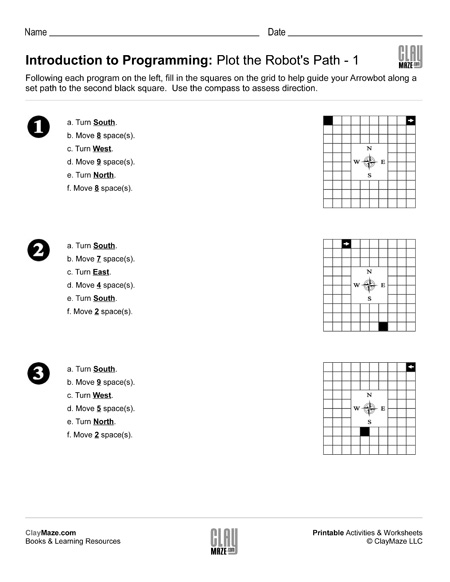
Introduction to Programming: Plot the Robot’s Path – 1
An early introduction to programming can give them the confidence they need and a great head start in STEM and computer related understanding. This worksheet is part of a series on early programming exposure located here.
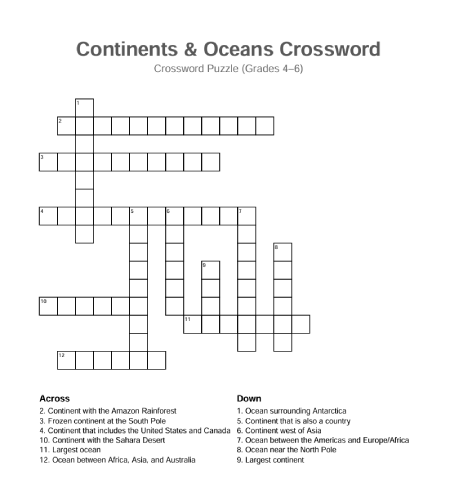
Continents & Oceans Crossword Puzzle (Grades 4–6)
Learning world geography doesn’t have to feel like memorization. This free continents and oceans crossword puzzle gives students in Grades 4–6 an engaging way to review key geography vocabulary while practicing spelling, reading clues, and making connections. This printable crossword
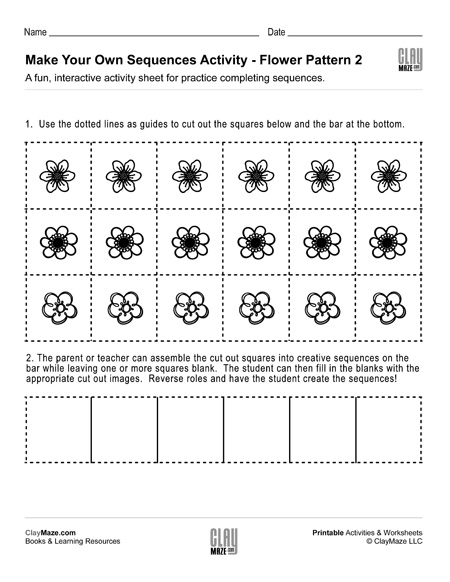
Make Your Own Sequences Activity – Flower Pattern 2
Pattern recognition and sequences play a big role in children’s learning. This particular activity is a little more interactive and allows children to not only decode and complete the missing sequences but participate in their design. The child can cut
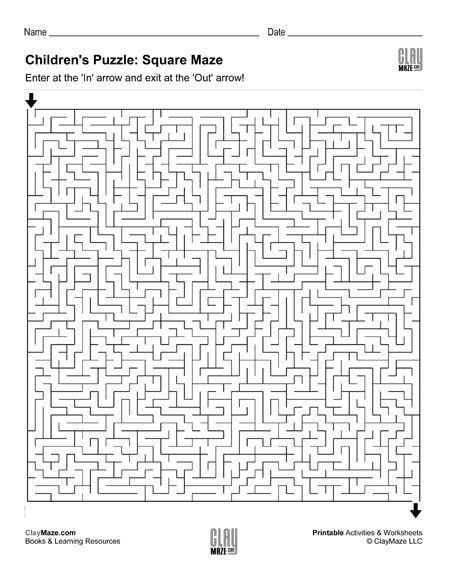
Children’s Puzzle: Square Maze
Feel free to download this and the other free printable mazes and puzzles located on our site and please note, the second page of the PDF is the solution so remember not to peek!