
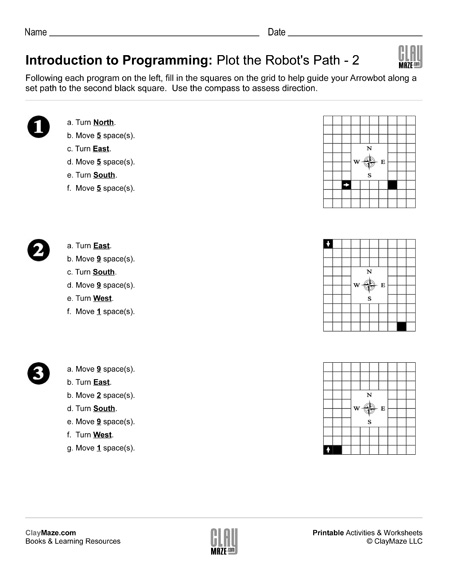
Learning to interact with computers and equipment at an early edge is critical for today’s children. They are expected to interface and adapt to computers at an earlier and earlier age and any chance we have to give them a confidence boosting edge can make their experience a lot more rewarding and a little less frustrating. This is part of a set of 4 worksheets designed to shed a little extra light on the step-by-step nature of programming.
Download Printable PDF

Related Worksheets
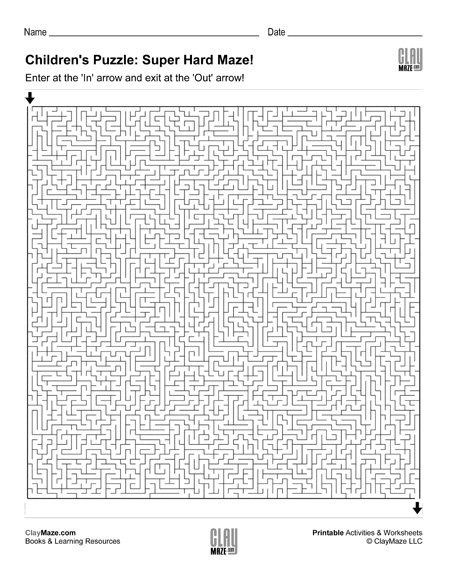
World’s Hardest Puzzle? World’s Hardest Maze?
Probably not but you better pack a lunch because this one might take you a while! Enjoy this super-hard maze and note, the second page of the PDF is the solution so try not to peek! Solving mazes is a
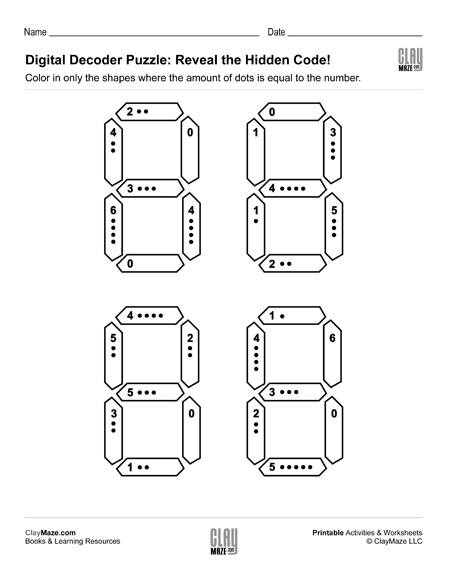
Digital Decoder Counting Worksheet
Download our digital decoder worksheet for counting practice. Decode the digital display by counting the dots in the spaces and coloring in the ones with matching amounts.
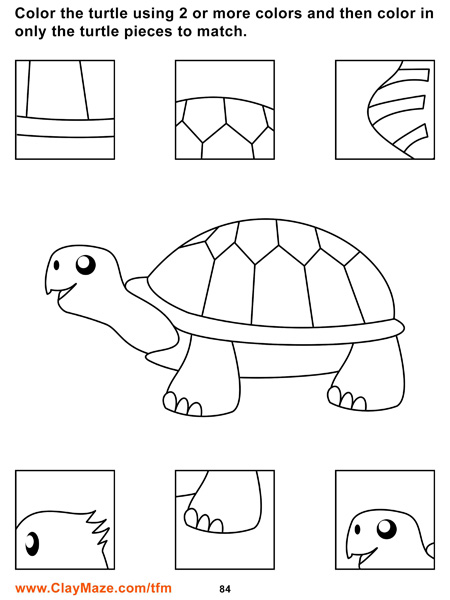
Pattern Recognition Coloring
Working with patterns not only improves a child’s foundation for problem solving in all core learning activities, but expands the tool-set they have available when confronted with a new challenge. Just as an adult might have devised day-to-day strategies for
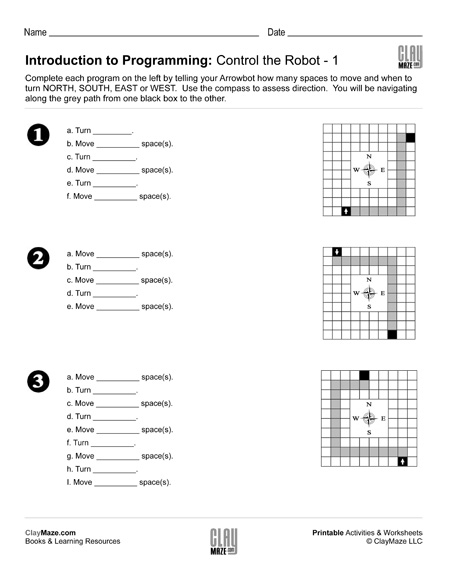
Introduction to Programming: Control the Robot – 1
STEM learning, or learning and preparation for careers in Science, Technology, Engineering and Mathematics has become a pervasive trend in today’s educational circles. With STEM occupations growing at a rate far exceeding non-stem occupations it is only logical that we
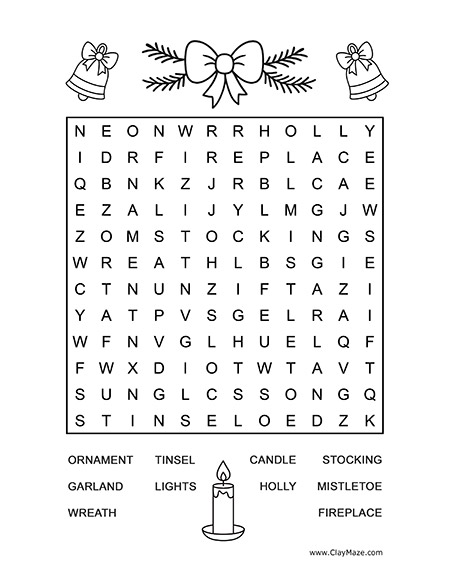
Christmas Themed Word Finds with Colorable Holiday Pictures for Kids (Set of 5 Puzzles with Solutions)
Bring festive fun to your holiday season with this collection of Christmas word search puzzles! Perfect for kids, classrooms, and family gatherings, these printable worksheets feature cheerful themes like Christmas treats, holiday décor, reindeer, and snowy outdoor activities. Each page
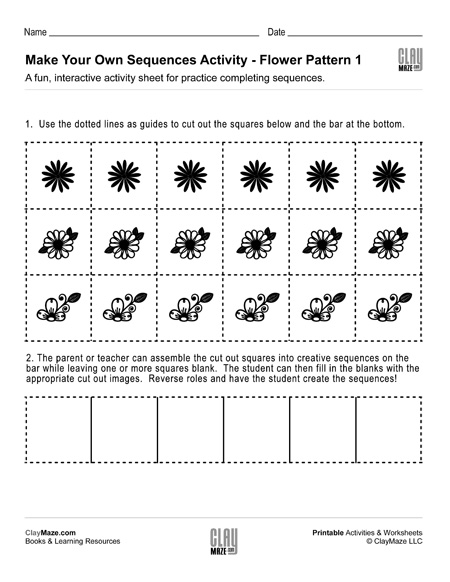
Make Your Own Sequences Activity – Flower Pattern 1
This activity is a fun twist on the basic challenge of completing sequences. The child can use the dotted lines as guides to cut out the shape squares and the bar at the bottom of the page. The parent or